Black Food Sovereignty Conference 2024
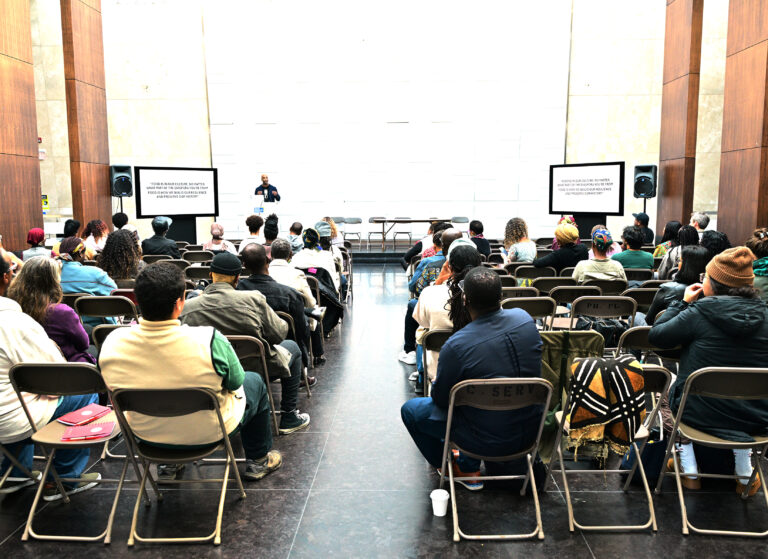
The 2024 Black Food Sovereignty (BFS) Conference marked a significant milestone in advancing the Black Food Sovereignty Action Plan in Toronto. Bringing together farmers, youth, advocates, policymakers, entrepreneurs, and community members, the conference created a shared space to deepen dialogue, strengthen relationships, and move from vision toward coordinated action.
The conference was designed and delivered through consortium-based planning, ensuring that Black food organizations were not only represented, but actively engaged in shaping the agenda, structure, and outcomes of the event. This approach enabled deeper collaboration, shared ownership, and alignment across organizations working within the Black food ecosystem.
Co-hosted by the City of Toronto, the Network for the Advancement of Black Communities (NABC), and the Black Food Sovereignty Alliance (BFSA), the conference reflected a growing ecosystem of actors committed to building a more equitable, culturally grounded, and community-led food system.
Key Highlights
The conference successfully balanced cultural grounding, knowledge sharing, and practical engagement, creating a holistic experience for participants.
- Strong Participation: Over 150 individuals registered, including community leaders, youth, practitioners, and partners from across the food system.
- Diverse Learning Opportunities: Workshops explored key themes such as policy advocacy, urban agriculture, cultural foodways, and food justice.
- Relationship Building: The event fostered meaningful connections with Black- and Indigenous-owned businesses, food vendors, and organizations, highlighting the richness and diversity of Toronto’s food ecosystem.
- Cultural Integration: African libations, an Indigenous welcome, and culturally rooted catering reinforced the central role of food in identity, history, and community wellbeing.
Conference Experience
The conference was intentionally structured to create a dynamic flow between reflection, learning, and connection.
- Opening Ceremony: An Indigenous welcome and drumming ceremony, followed by African libations, set a powerful tone of respect, grounding, and shared responsibility. Participants identified this as one of the most impactful moments of the day.
- Keynote Address: Delivered by Chef Philman George, the keynote emphasized the importance of reclaiming food systems as a pathway to community health, cultural continuity, and economic empowerment.
- Workshops: Sessions covered topics such as the Toronto Food Charter, policy and advocacy pathways, Black and Indigenous solidarity, and community-based food initiatives.
- Panel Discussion: A cross-sector panel featuring experts in farming, policy, and community health provided diverse perspectives and engaged participants in meaningful dialogue.
- Green Roof Tour: Participants explored urban agriculture in practice through a guided visit to Toronto Metropolitan University’s green roof, offering a tangible example of local food production in an urban context.
- Evening Social: The day concluded with a networking event featuring live music, Indigenous food, and informal dialogue, allowing participants to deepen relationships and reflect on shared learning.
Insights and Lessons Learned
The conference also surfaced important insights about the current state of the ecosystem and the work required to strengthen it:
- Capacity Constraints: Limited staffing and resources created challenges in coordinating all aspects of planning and delivery, highlighting the need for stronger operational infrastructure.
- Time Limitations: The demands on consortium members’ time constrained participation in planning processes, pointing to the importance of earlier and more distributed planning.
These insights reinforce a broader theme emerging across the sector: Community energy is strong, but infrastructure and resourcing must catch up.
Connection to the Black Food Sovereignty Action Plan
The conference played a critical role in advancing the goals of the Black Food Sovereignty Action Plan by:
- Amplifying Black-Led Voices: Creating space for Black-led food initiatives to share knowledge, experiences, and solutions.
- Strengthening Policy Dialogue: Facilitating conversations on policy change and systems transformation.
- Deepening Collaboration: Strengthening alignment between community organizations and City departments.
- Sharing Resources and Tools: Providing participants with practical information to support program development and future initiatives.
The conference served as a bridge between planning and implementation, helping to translate strategy into collective action.
Recommendations for Future Conferences
To build on this momentum and increase long-term impact, the following recommendations are proposed:
- Expand the Planning Timeline: Begin planning earlier to allow for deeper engagement, strategic coordination, and stronger execution.
- Strengthen Staffing and Coordination: Engage dedicated coordination support earlier, with clear roles, responsibilities, and outcomes.
- Enhance Marketing and Outreach: Develop a comprehensive outreach strategy, including digital campaigns, community media, and targeted engagement.
- Increase Interactive and Experiential Learning: Expand hands-on workshops and participatory sessions, building on strong participant feedback.
- Deepen Collaboration with the City: Improve alignment, transparency, and communication regarding resources, budgeting, and expectations.
- Develop Sponsorship and Funding Strategies: Begin early outreach to secure sponsorships, partnerships, and grant funding to support sustainability.
Building Momentum
The 2024 Black Food Sovereignty Conference demonstrated the strength, commitment, and vision within Toronto’s Black food ecosystem. By bringing together diverse actors across community, government, and industry, the conference created a space for connection, learning, and collective momentum.
More importantly, it highlighted a critical next step, moving from convening and conversation toward coordinated, well-resourced, and infrastructure-driven action.
As the Black Food Sovereignty movement continues to grow, gatherings such as this will play an essential role in shaping a future where food systems are not only accessible, but community-owned, culturally grounded, and economically empowering.

© 2018 Network for the
Advancement of
Black Communities.
All Rights Reserved.
Menu
Menu