

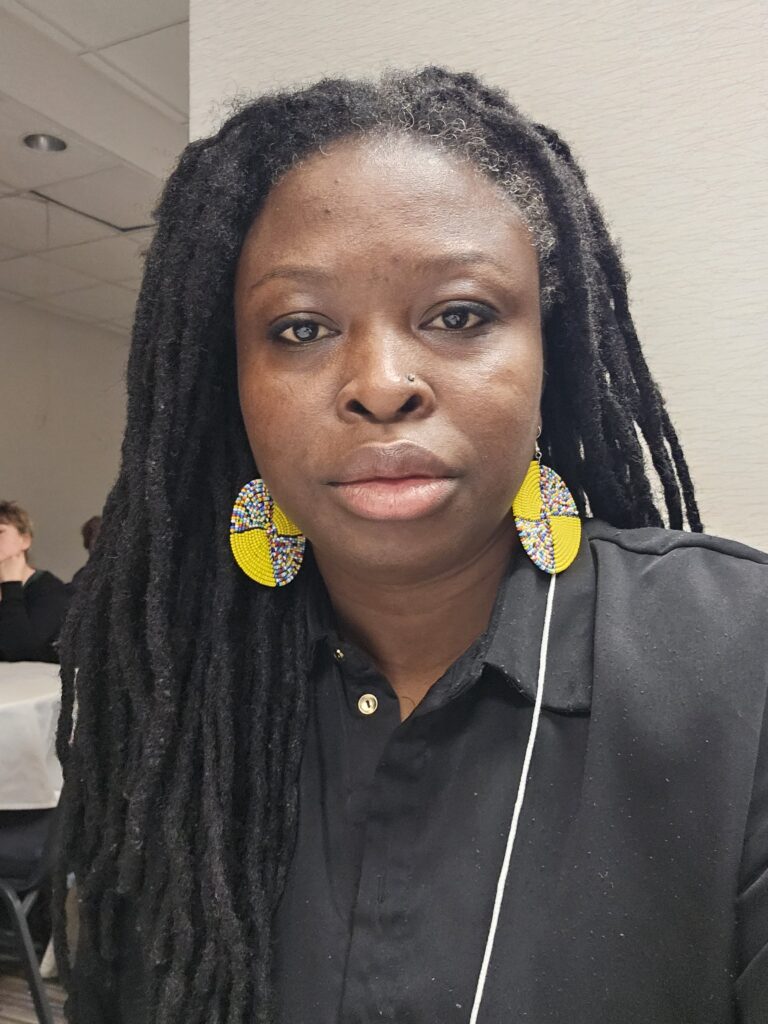
Meet Leticia Ama Deawuo
Published: March 2026
Author

Amplifying Women’s Voices in the Black Food Sovereignty Movement
In the heart of the Black Food Sovereignty (BFS) movement, the voices of Black women resonate with a blend of resilience, wisdom, and determination. These women are not only cultivating the land but also sowing seeds of empowerment and justice. Their contributions, often under-acknowledged, have been instrumental in shaping the movement and ensuring that it addresses the unique challenges faced by Black communities in Canada.
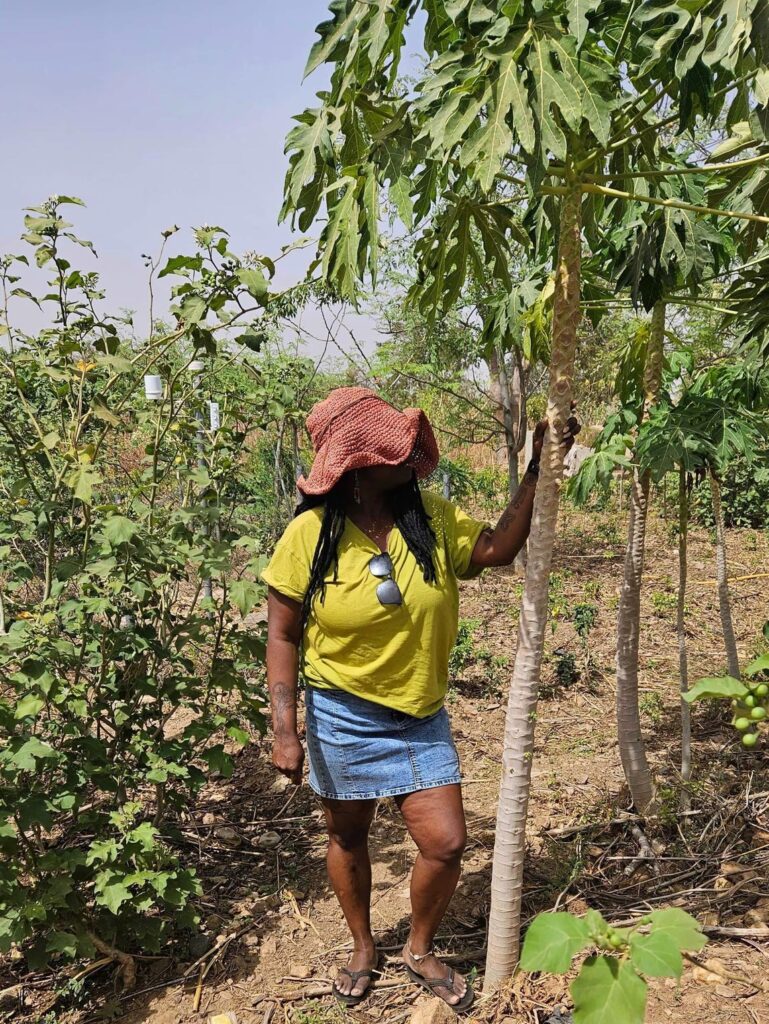
One such voice is Leticia Ama Deawuo, former Executive Director of Black Creek Community Farm in Toronto and a key figure in the BFS movement. Ama’s journey into the food sector is deeply personal, rooted in her own experiences of food insecurity. Growing up in the Jane and Finch area, she witnessed firsthand the struggles that many Black families face in accessing nutritious food. “My family dealt with food insecurity for many years. I lived in a shelter as a young woman when I was pregnant with my son,” Ama recalls. She described how food banks and community programs offering food vouchers were instrumental in her survival. This lived experience of food insecurity drove her to explore and challenge the systemic issues underlying food access.
The Intersection of Identity and Activism
The journey into food justice for many Black women, including Ama, often begins with an intersection of personal identity and activism. Ama reflects on the invaluable role her grandmother played in her upbringing. “A significant part of my involvement in agriculture was connecting the dots back to my own family, my own grandmother,” Ama recalls. “She used her farming to take care of us, paying our school fees with the surplus she sold.” This personal connection highlights the enduring legacy of women who have historically used their agricultural skills to support and sustain their communities.
In urban and Western contexts, however, the narrative around Black women in agriculture is starkly different. Ama emphasized that Black women are frequently depicted as passive recipients of aid rather than active participants in food production and sustainability. Ama recounts numerous instances where her authority and knowledge were questioned simply because of her identity. In one striking example, a group of students from York University arrived at Black Creek Community Farm looking for the Executive Director. When Ama confirmed that she was the Executive Director, one of the visitors responded, “No, no, we’re looking for the one in charge of the farm.” The disbelief in his reaction was palpable. “It was very awkward… he couldn’t believe it was me,” Ama shared.
Such experiences are not merely frustrating but also undermines the credibility of Black women in leadership roles. The constant questioning and pressure to excel despite systemic biases contribute to heightened perfectionism and stress. Many Black women in these roles face the reality of being judged more harshly, their mistakes magnified, and their successes downplayed. This cycle of stress and self-doubt is a direct outcome of the systemic devaluation of their expertise and presence.
Facing Food Insecurity in Canada
Black women not only face systemic biases while leading the BFS movement but also encounter significant barriers related to food insecurity. Systemic racism, economic disparities, and gender inequities intersect to create significant barriers to food access. As Ama highlighted, “Black women are disproportionately affected by food apartheid and the economic constraints that limit their food choices. This isn’t just about lack of access; it’s about the quality and cultural relevance of the food available.”
In many urban areas, the absence of affordable, healthy food options forces Black women to rely on low-cost, low-nutrition food, exacerbating health issues such as diabetes and hypertension. Ama shared poignant stories of women in her community who struggle daily to provide nutritious meals for their families. “These women are incredibly resourceful,” she said. “They find ways to stretch their limited resources, often at the expense of their own health. They prioritize their children’s needs over their own, a sacrifice that is both heroic and detrimental to their well-being.”
Empowering Women in the Movement
The BFS movement is not just about providing food; it’s about reclaiming autonomy and dignity. Women like Ama are advocating for policies that address the root causes of food insecurity, including economic inequality and lack of access to land. Ama emphasized the need for a holistic approach, “We need to address the systemic issues that lead to food insecurity. This means fighting for living wages, affordable housing, and access to healthcare. Food sovereignty is interconnected with all these aspects of life.”
Amplifying the voices of Black women and acknowledging their pivotal role is essential for the movement’s growth and success. By investing in their leadership, providing necessary resources, and addressing the unique challenges they face, we can ensure that the BFS movement continues to create lasting change in Canada. The stories and experiences shared by women like Leticia Ama Deawuo underscore the profound impact of their leadership and the necessity of continued support and recognition.
To the remarkable women:
As you continue in the movement, remember: you’re on the right path. You’re doing the very best you can with the tools you’ve been given in a system that was never designed for us to succeed. When doubts arise, whether from within or from outsiders, know that you are growing, learning, and making significant strides.
It’s essential to take care of yourself along the way. Your health and well-being are crucial. We are pushing the needle forward with the hope that others will join us in this collective effort. Remember, the responsibility is not solely on your shoulders. You are doing your best, and that’s what matters. Keep moving forward with strength and self-compassion.
– Leticia Ama Deawuo

© 2018 Network for the
Advancement of
Black Communities.
All Rights Reserved.
Menu
Menu