Making the Second Decade Matter: Reflections from the Ubuntu Community Hub Dialogue
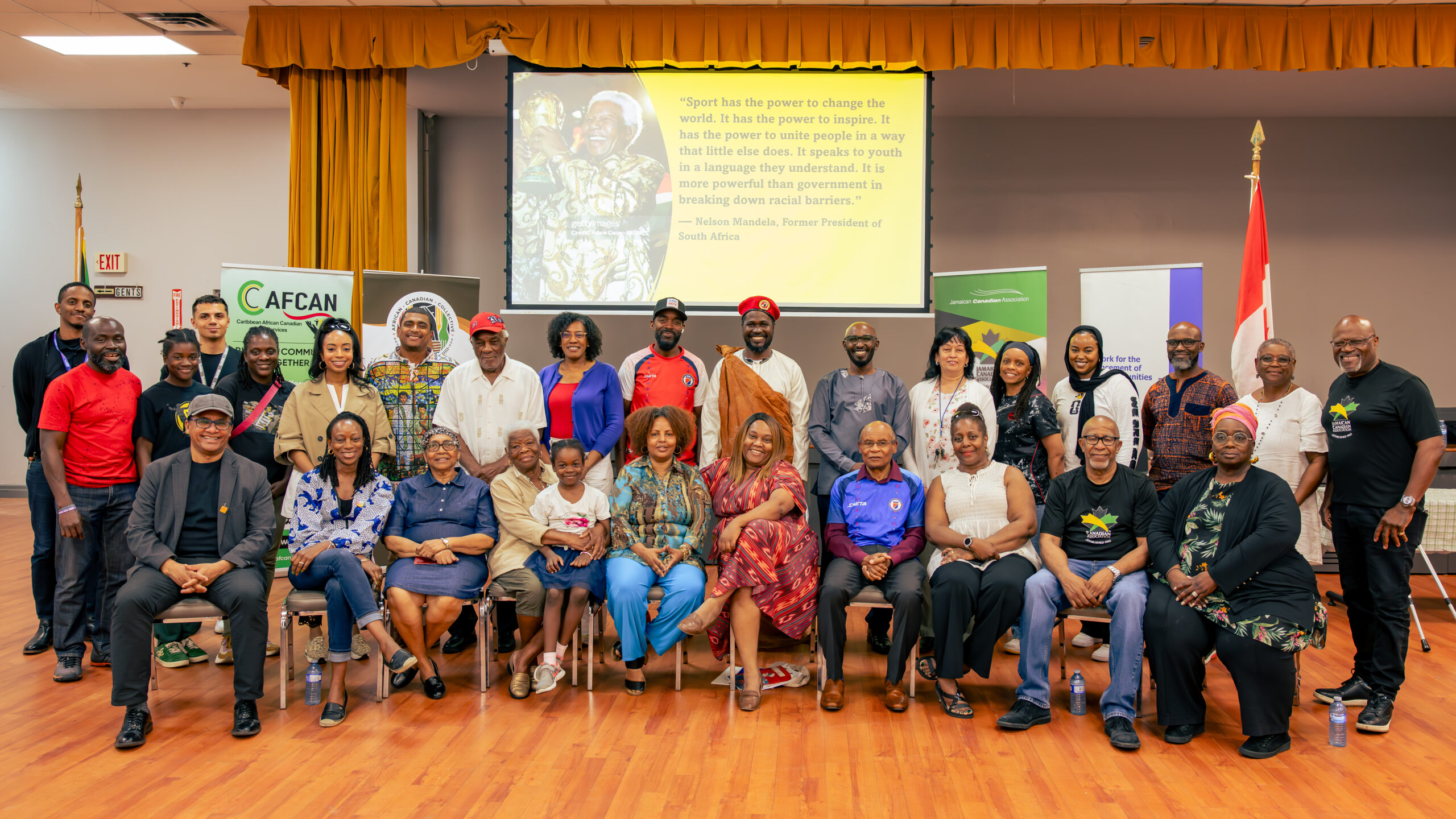
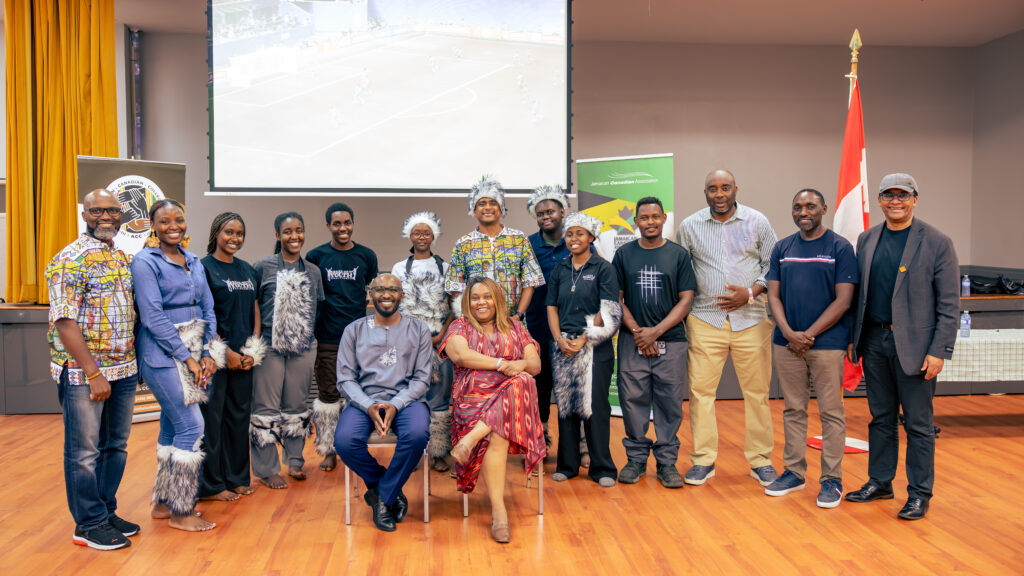
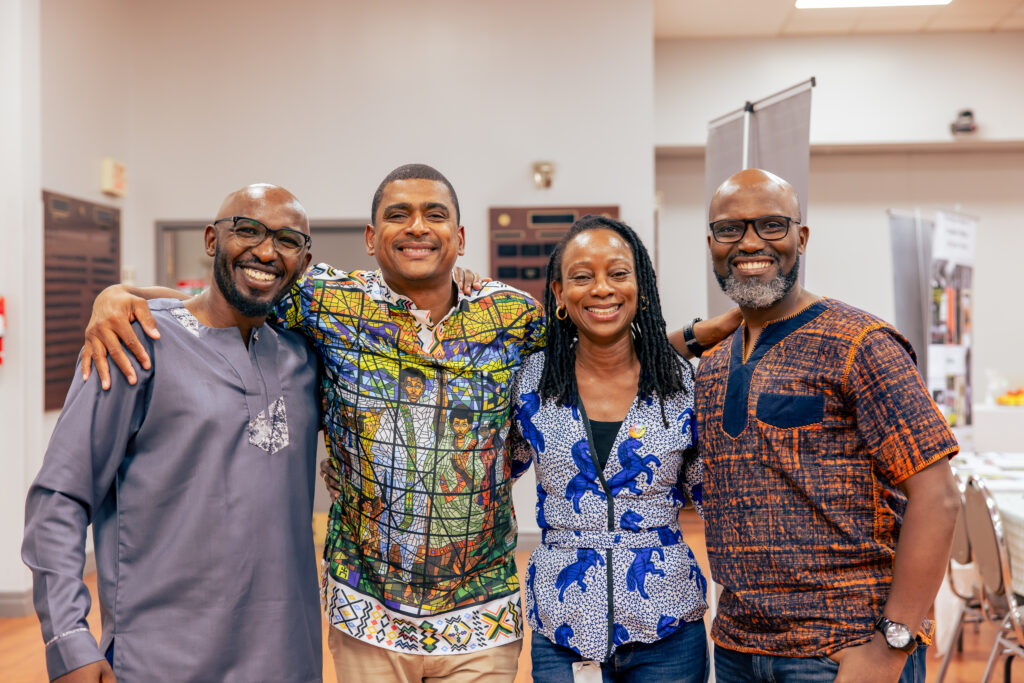
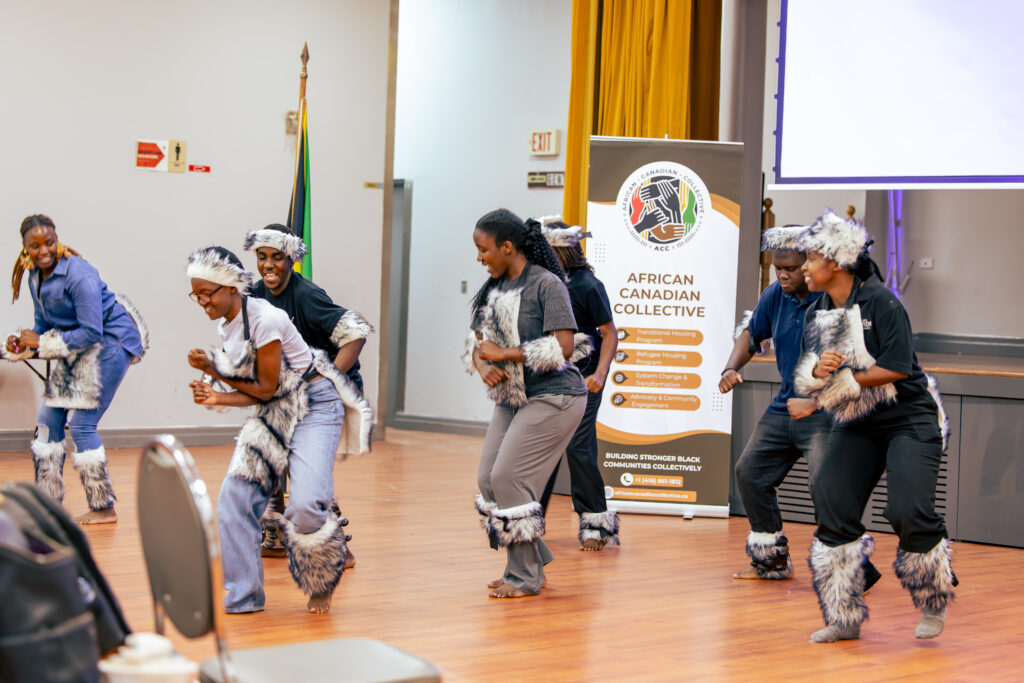
On June 24th the Jamaican Canadian Association in partnership with the Network for the Advancement of Black Communities and the African Canadian Collective invited community members, advocates, leaders, and youth to a dialogue on “The Second Decade for People of African Descent: How Can We Make It Matter?” The dialogue was one of a series of engagements under the Ubuntu Community Hub, a community-driven initiative that uses the platform of the FIFA World Cup to foster social cohesion, celebrate culture and heritage, and engage in critical issues affecting people of African descent through intentional dialogue.
The conversation created a space to deepen understanding and create awareness on the Second International Decade for People of African Descent (2025–2034), explore the history and role of the United Nations Permanent Forum on People of African Descent, and consider how Black communities can contribute to advancing the goals of recognition, justice, and development.
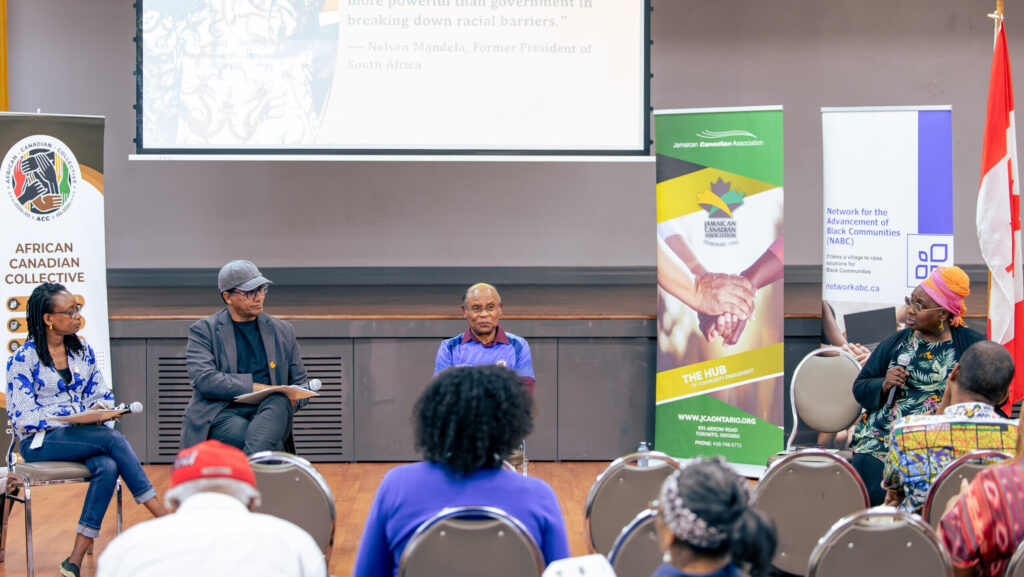
The panel consisted of Dr. Eric Pierre (Honorary Consul for the Republic of Haiti to Toronto) Floydeen Charles-Fridal (Executive Director: Caribbean African Canadian Social Services) and amanuel melles (Executive director: Network for the Advancement of Black Communities) Moderated by Adaoma Patterson, (President of the Jamaican Canadian Association) the dialogue was framed by a powerful grounding reflection from Dr. Eric Pierre. Drawing on Haiti’s historical significance and present-day realities, Dr. Pierre reminded participants of the enduring struggle for freedom, dignity, and self-determination that has shaped the experiences of people of African descent globally.
Throughout the discussion, panelists reflected on the lessons that history offers for addressing present day challenges facing Black communities. Participants emphasized that while contexts may differ across countries and communities, many of the issues confronting people of African descent, including systemic barriers, underrepresentation, and social inequities remain interconnected. The conversation highlighted the importance of learning from past struggles while remaining focused on creating opportunities for future generations.
It was indicated that the Second International Decade for People of African Descent focuses on accelerating action to achieve lasting racial justice, equality, and sustainable development for people of African descent. Building on the first decade’s themes of recognition, justice, and development, it emphasizes tackling systemic racism, advancing human rights, promoting meaningful participation in decision-making, strengthening economic and educational opportunities, preserving cultural heritage, and ensuring accountability through stronger policies, partnerships, and measurable outcomes at local, national, and international levels.
Participants were updated on the focus on the 5th session of the Permanent Forum on People of African Descent in Geneva, April 2026, which was primarily on reparatory justice, with discussions on how to address the lasting impacts of slavery and colonialism through measures such as reparations, the return of stolen cultural heritage, and stronger international commitments to anti-racism, including follow-up on the Durban Declaration. The forum also highlighted ongoing issues of structural racism affecting people of African descent today, with particular attention to youth rights, inequality, and representation, emphasizing the need to move from historical recognition to concrete action.
A key theme that emerged at this Ubuntu Community Hub was the need for greater collaboration across the Black ecosystem and to connect the dots to current nation wide efforts. There is a need to recognize community assets, strengthen the Black ecosystem, and move relationships from transactional to transformational. Panelists shared examples of efforts in collaboration among community organizations, institutions, and governments, noting that meaningful change often occurs when organizations move beyond competition and work toward shared purpose. Collaboration was identified as both a major challenge and an essential pathway to finding collective solutions, with the need to define shared goals critical so that communities can focus on substantive issues rather than viewing one another as obstacles to success.
Youth leadership emerged as another important area of discussion recognizing that young people are not simply future leaders but are leaders today whose voices, perspectives, and experiences must be included in decision-making processes. More intentional pathways for youth participation must be prioritized and remains a major gap that needs to be addressed in future dialogues and platforms.
Participants agreed that the success of the Second International Decade for People of African Descent will depend not only on international commitments and institutions but also on the willingness of communities, organizations, institutions, and individuals across the Black ecosystem and beyond to work together toward a shared purpose. Black Canadian leaders have a critical role to play by strengthening advocacy, policy leadership, and community partnerships that address systemic barriers while promoting equity and inclusion. This includes championing anti-racism legislation, expanding access to education, employment, healthcare, and entrepreneurship, investing in Black-led organizations, supporting culturally relevant research and data collection, preserving Black Canadian history and heritage, fostering youth leadership, and building collaborations across governments, businesses, academia, and civil society. By leveraging their collective leadership, expertise, and influence, Black Canadian leaders can help ensure that people of African descent are meaningfully represented in decision-making, that progress is measured through clear and accountable outcomes, and that the decade’s goals are translated into lasting social, economic, and institutional change.

© 2018 Network for the
Advancement of
Black Communities.
All Rights Reserved.
Menu
Menu