Reimagining Service Coordination in the Refugee Sector: Reflections from the Ubuntu Community Hub Dialogue
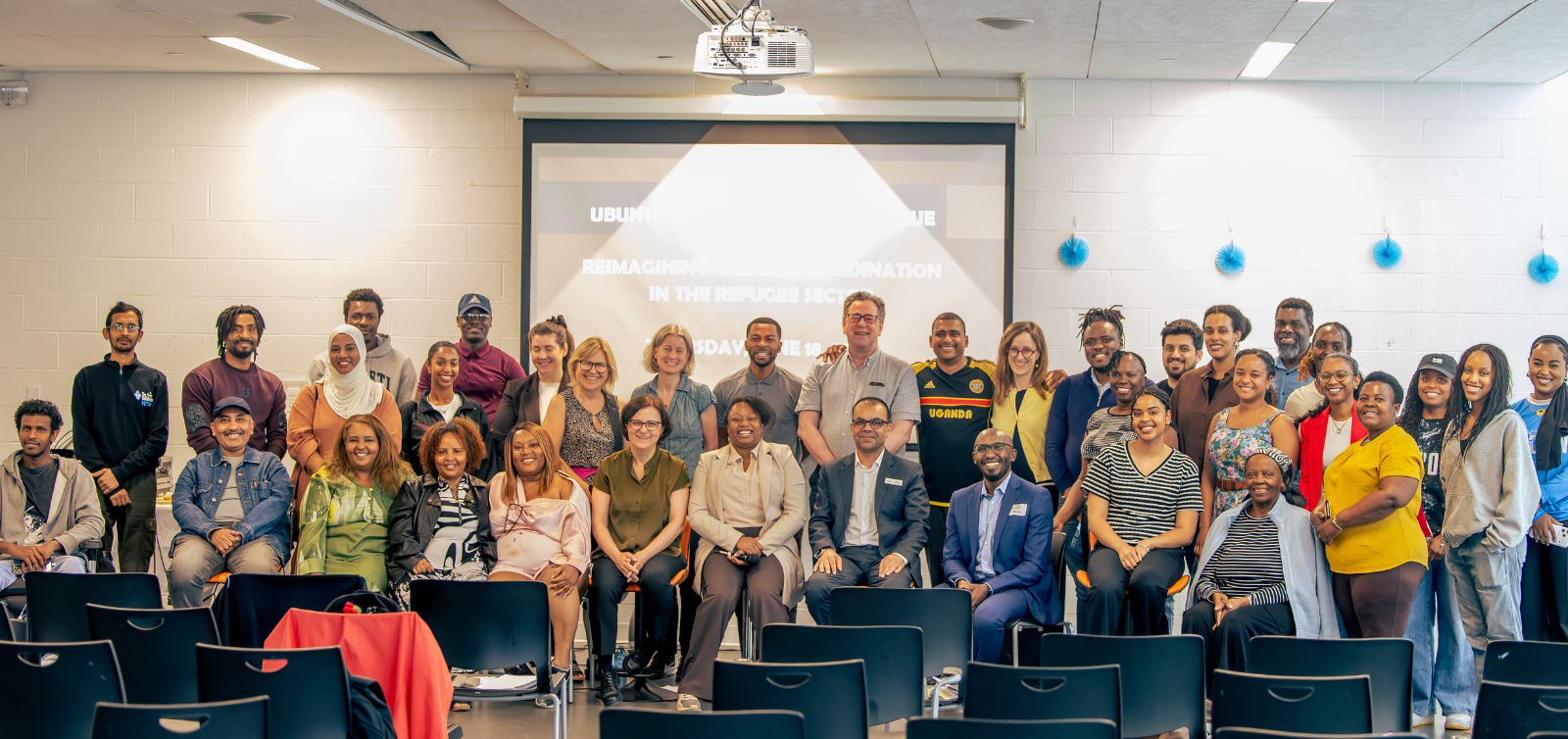
The African Canadian Collective (ACC), in partnership with the Network for the Advancement of Black Communities (NABC), convened an Ubuntu Community Hub dialogue at Wellesley Community Centre on June 18, 2026, under the theme “Reimagining Service Coordination in the Refugee Sector.” The dialogue was one of a series of engagements under the Ubuntu Community Hub, a community-driven initiative that uses the platform of the FIFA World Cup to foster social cohesion, celebrate culture and heritage, and engage in critical issues affecting people of African descent through intentional dialogue.
The African refugee crisis of 2023 exposed significant gaps in Toronto’s refugee settlement system, revealing a sector that was underprepared, underfunded, and too fragmented to effectively respond to rapidly evolving challenges. Rather than revisiting those shortcomings, the dialogue provided an opportunity to explore a more important question: What would a more coordinated, collaborative, and connected refugee sector look like?
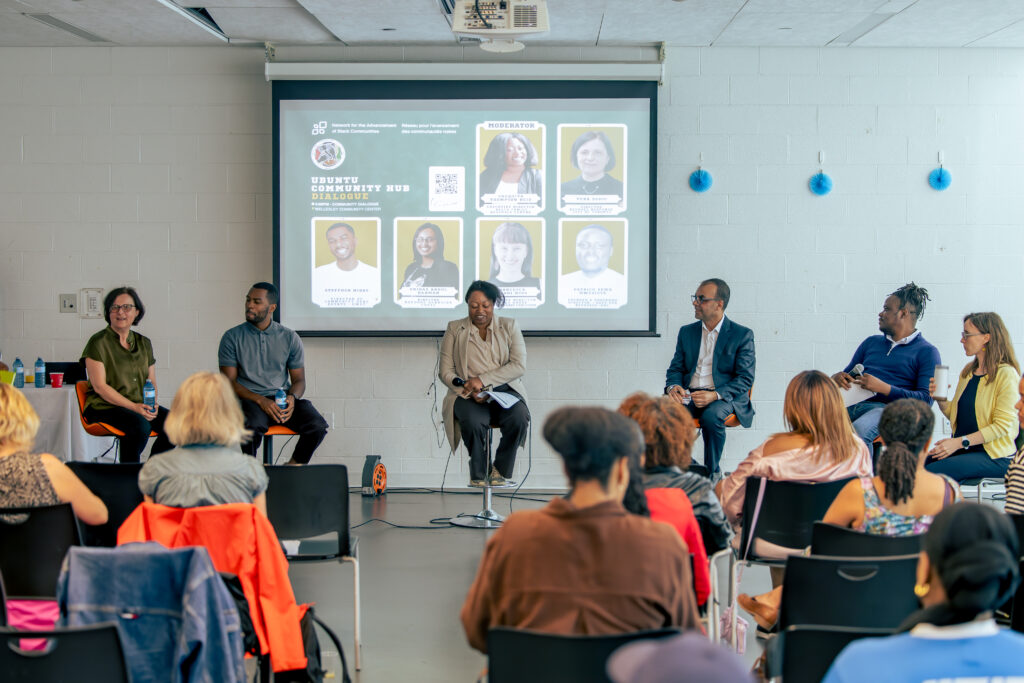
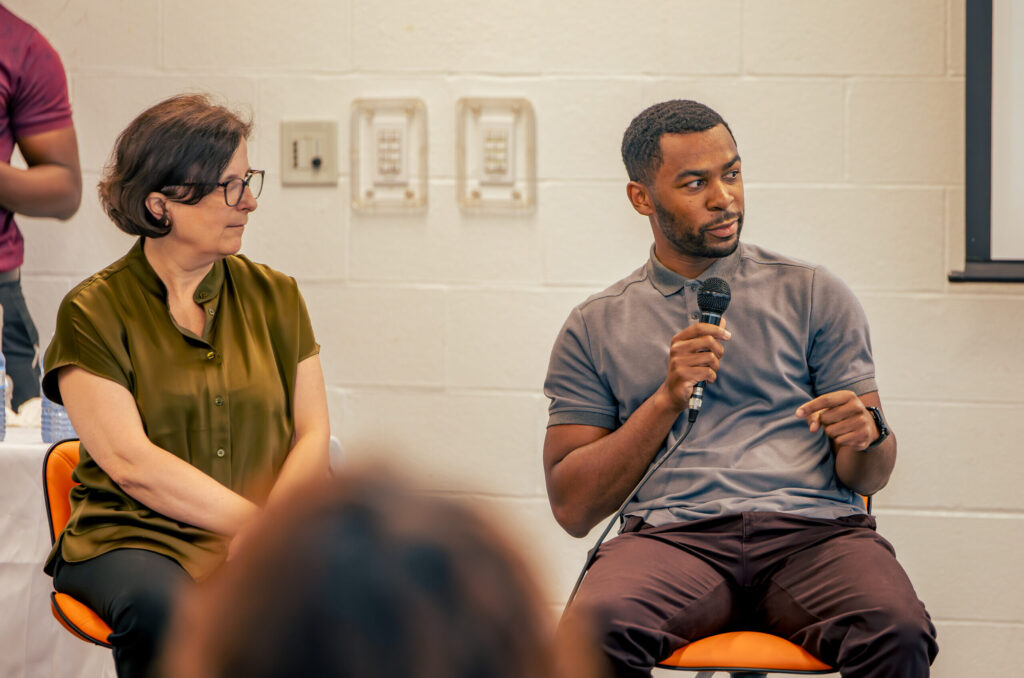
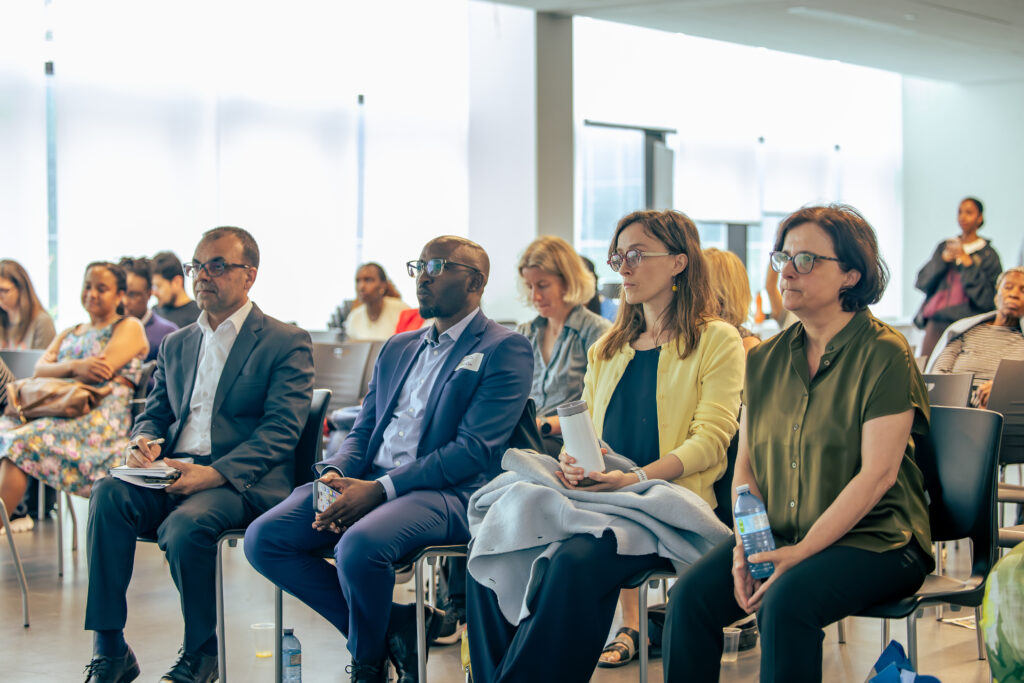
The dialogue brought together stakeholders from the refugee sector to explore what coordinated support looks like when it works and identify concrete steps we can take to build toward a more coordinated sector. The session was moderated by Shequita Thompson-Reid (Delta Family Resource Centre) with panelists Vera Dodic (Refugee Response, City of Toronto), Stefphon Nibbs (United Way Greater Toronto), Abdul Walid Rahimi (Refugee Services, COSTI), Francesca Allodi-Ross (Romero House, C.C.R., Ontario Coalition) and Patrick Sewa Mwesigye (Hope for Refugees International). Together, they brought critical perspectives from policy, funding, frontline service delivery, and refugee lived experiences.
The dialogue identified several conditions for building a more coordinated refugee sector, including cultivating readiness rather than reaction, reimagining the role of funders as partners in collaboration, and prioritizing the trust, dignity, and lived experiences of refugees.
Participants agreed that preparedness should begin long before a crisis emerges and emphasized the need to strengthen the refugee support system before the next crisis occurs. This requires investing in relationships, clarifying roles and responsibilities, and increasing transparency around resources and decision-making. They also challenged the sector to redefine success, measuring success not only by funding and outputs, but by shared outcomes and the well-being of refugee communities.
The discussion also highlighted the critical role of philanthropy in strengthening sector coordination. Rather than funding isolated programs, participants envisioned funders investing in networks, shared infrastructure, and collaborative processes that enable organizations to work together effectively. Flexible funding, support for shared learning, and investments in coordination were seen as essential to building a more resilient refugee response system.
A key emergent theme was that refugees must be engaged as partners, not simply recipients of services. Program design, delivery and evaluation must integrate the expertise of those with lived experience. A coordinated sector is one that listens to refugee voices, protects dignity, reduces unnecessary barriers, and values their lived experiences.
Overall, the session offered a hopeful vision for the future. While no single organization can transform the refugee system, participants acknowledged that by working together across sectors and centring the voices of refugee communities, it is possible to build a more responsive, equitable, and coordinated refugee sector.
We look forward to working with organizations and institutions across the sector to put these ideas into action. Together, we can build on the insights that emerged from these important conversations and continue striving toward a more coordinated, collaborative, and connected refugee sector.


© 2018 Network for the
Advancement of
Black Communities.
All Rights Reserved.
Menu
Menu