‘A Hub for the Black Community:’ Vancouver Council Approves Mixed-Use Development

News & Events ‘A Hub for the Black Community:’ Vancouver Council Approves Mixed-Use Development Vancouver City Council has greenlit a groundbreaking mixed-use development aimed at celebrating and supporting the city’s […]
How Health Hubs are Helping Black Physicians in Ontario
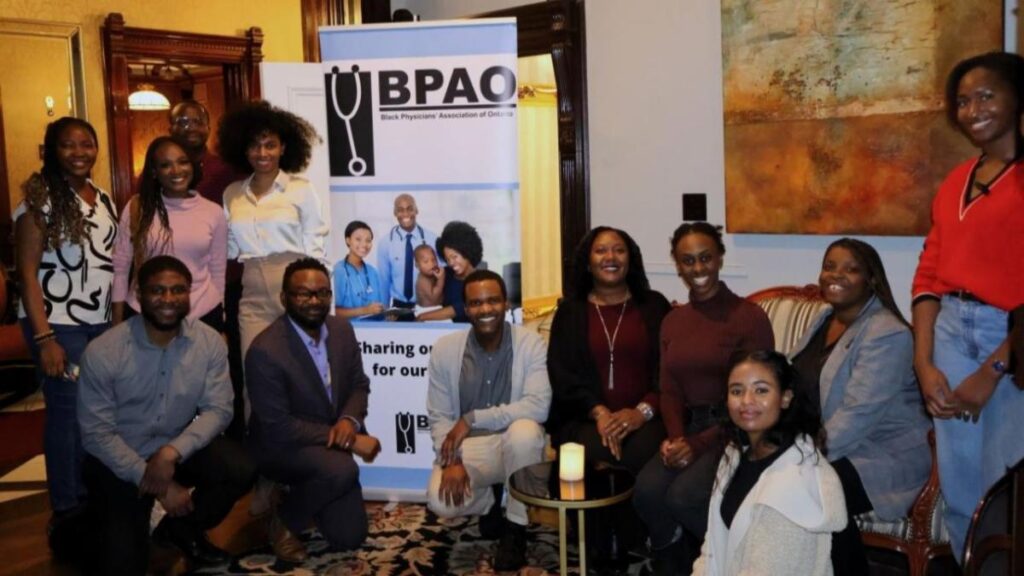
News & Events How Health Hubs are Helping Black Physicians in Ontario The Black Physicians’ Association of Ontario (BPAO) has launched health hubs across Ontario to support Black medical students […]
Black Food Sovereignty Conference 2024

News & Events Black Food Sovereignty Conference 2024 Date: Saturday, October 19, 2024Time: 8:00 AM – 6:00 PM ESTLocation: Toronto Metropolitan University – 350 Victoria Street Toronto, ON M5B 2K3 Mark your calendars! The Black […]
Planting Seeds of Change Through Black Food Sovereignty
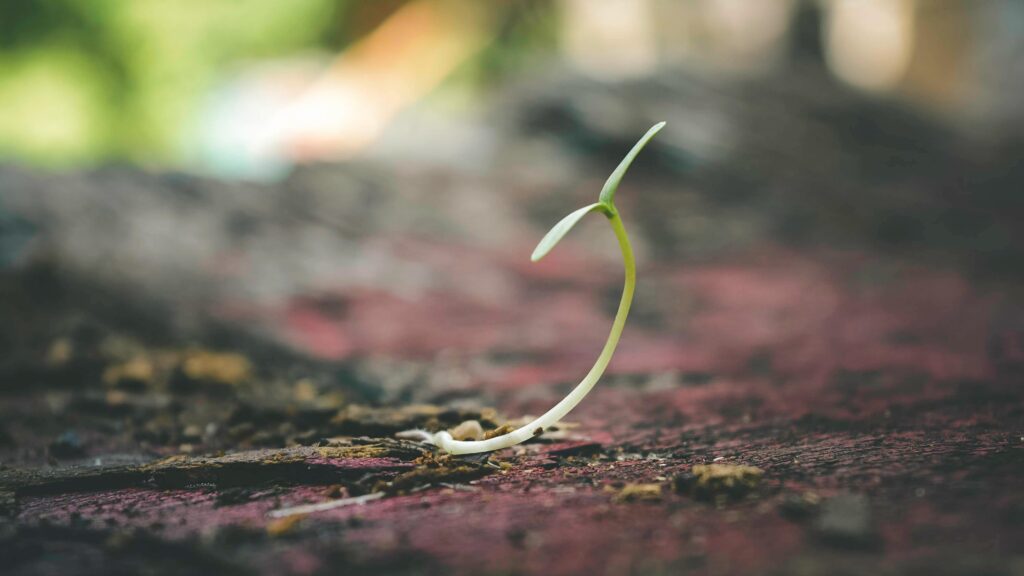
Black Food Sovereignty (BFS) is a movement focused on empowering Black communities to reclaim control over their food systems, addressing historical and systemic barriers to land, resources, and markets. Elder Anan Xola Lololi, a key leader in this movement and co-founder of Afri-Can FoodBasket, has been instrumental in advocating for Black food justice and economic empowerment.
Amplifying Women’s Voices in the Black Food Sovereignty Movement
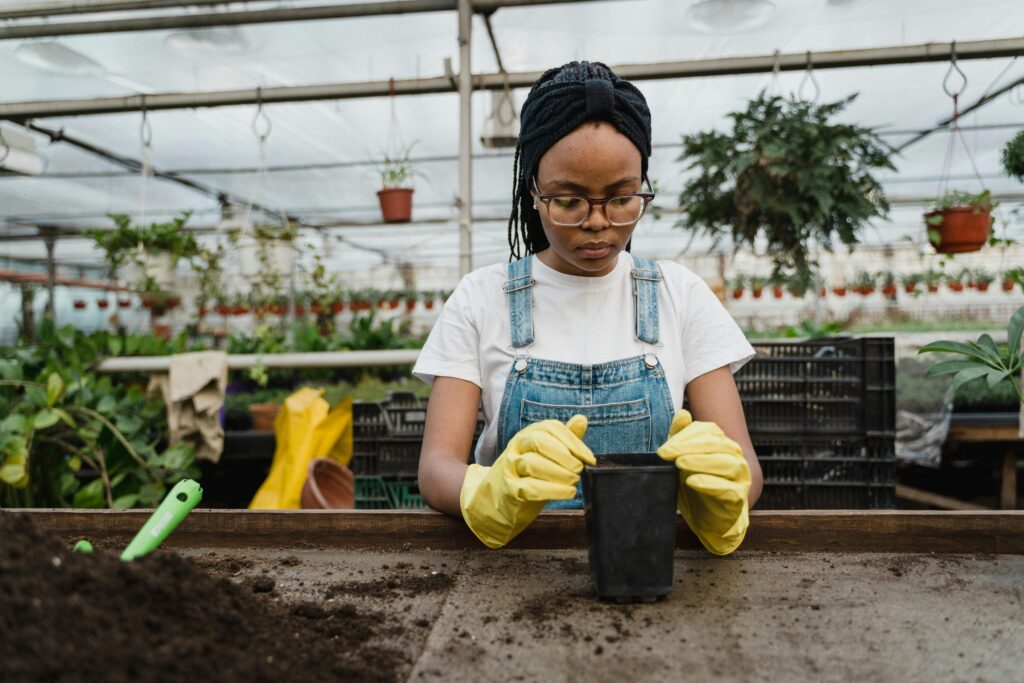
At the heart of the Black Food Sovereignty (BFS) movement, Black women like Leticia Ama Deawuo are driving change with resilience and determination. Former Executive Director of Black Creek Community Farm, Ama’s journey into food justice is deeply personal, driven by her own experiences with food insecurity.
Reparative Agriculture: A Pathway to Black Food Sovereignty
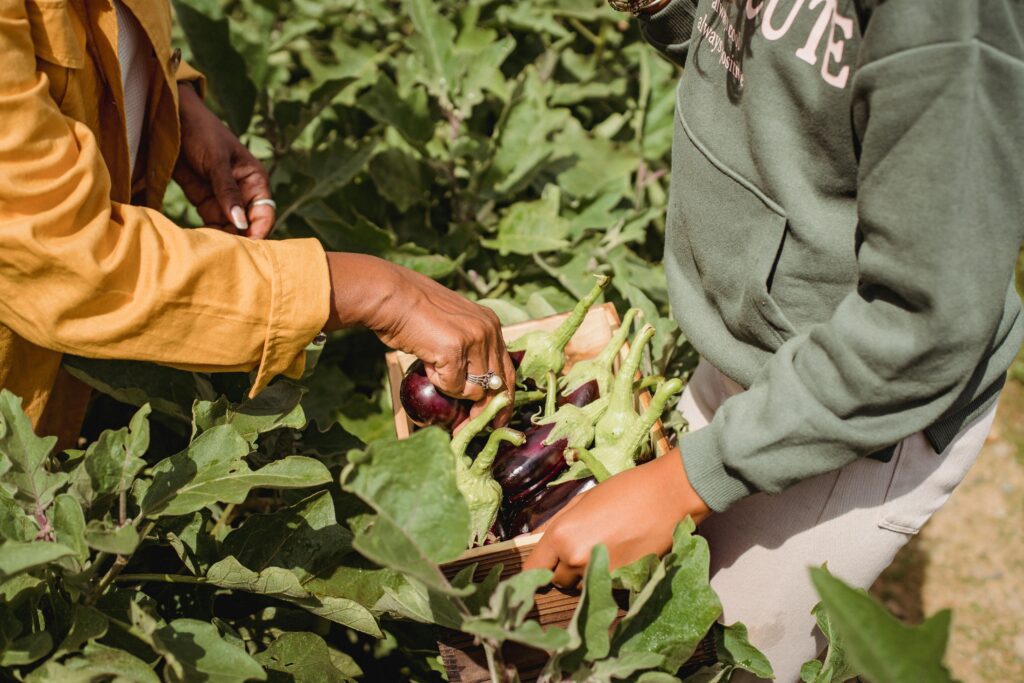
Reparative Agriculture, as discussed by Cashawn Myers, executive director and co-founder of HABESHA Inc., addresses the legacy of colonialism and systemic oppression by transforming agriculture into a tool for empowerment and healing.
Reviving Heritage Through Culturally Relevant Foods

In the quest for Black Food Sovereignty (BFS), culturally relevant foods play a crucial role in preserving heritage and building community resilience. Bashir Munye, a culinary expert and advocate for BFS, highlights how foods deeply rooted in ancestral traditions, offer more than just nourishment, they provide identity and belonging.
The Journey to Toronto’s Black Food Sovereignty Plan
Winston Husbands, an advocate for food security since the 1990s, played a crucial in shaping Toronto’s Black Food Sovereignty Plan. This plan was designed to address food insecurity within Black communities by overcoming systemic barriers to accessing nutritious and culturally relevant food. Husbands emphasized the collaborative nature of the development process, which involved a range of stakeholders, including community leaders, policymakers, and organizations. Now complete, the plan sets a powerful precedent as the first of its kind in Canada, demonstrating how a targeted approach to food sovereignty can effectively tackle systemic issues and foster equitable food systems.
Launch of public consultations on Canada’s approach to partnerships in Africa

News & Events Launch of public consultations on Canada’s approach to partnerships in Africa Canada has been actively reviewing its approach, in line with the feminist foreign policy and feminist […]
Non-Profit Enhances Support with AI-Powered Translation Device

News & Events Non-Profit Enhances Support with AI-Powered Translation Device Options Community Services, a non-profit serving Surrey, Delta, and White Rock, has introduced the TranslateLive Instant Language Assistant (ILA) to […]